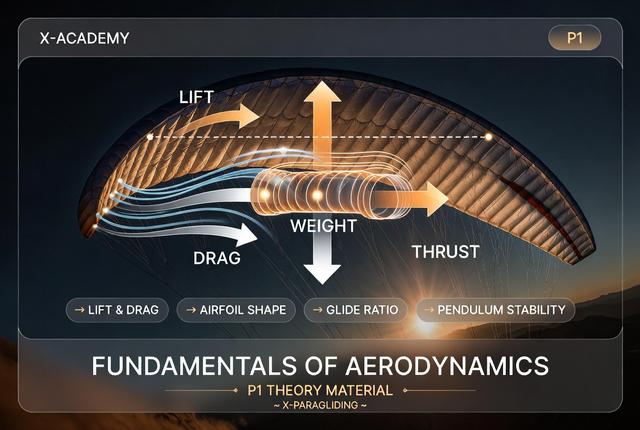
Aerodynamics Fundamentals - Explained Simply
Understand how your wing creates lift and keeps you flying. Learn simple, easy-to-understand concepts using everyday analogies - from why air pressure pushes your wing up, to how you control your paraglider with brakes. Master the key ideas that every P1 student must know.
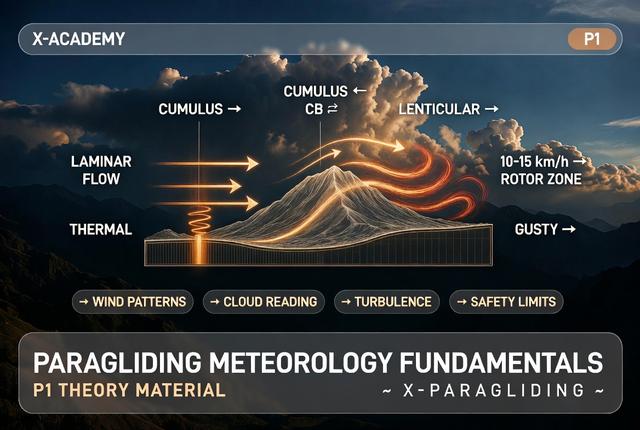
Meteorology for Paragliding (Made Simple)
Reading the weather is the most important skill for a paraglider pilot. Learn in simple terms how the sun creates "air elevators", which clouds are your friends, and when it is best to stay on the ground.
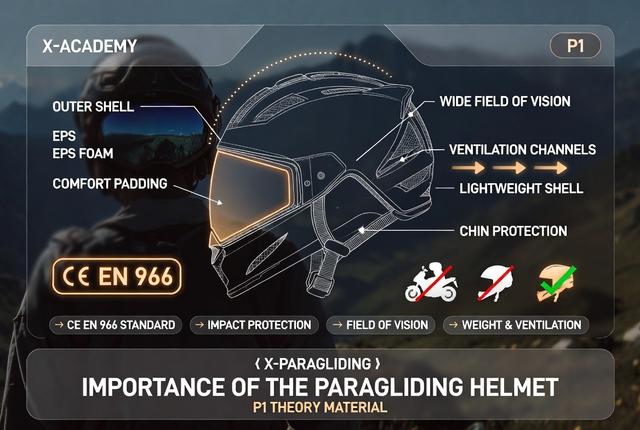
P1 - The Importance of a Paragliding Helmet
In paragliding, a helmet is the most critical piece of protective equipment. Many beginners mistakenly believe that a motorcycle or ski helmet is sufficient; however, helmets specifically designed for flight have unique characteristics tailored to the sport's needs.
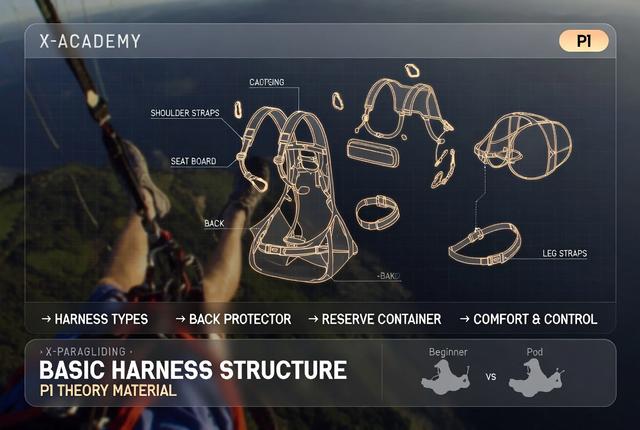
P1 - Basic Structure of a Harness
In paragliding, the harness is more than just a seat; it is a primary control and protection system. Its design and type directly impact flight comfort, safety, and pilot performance.
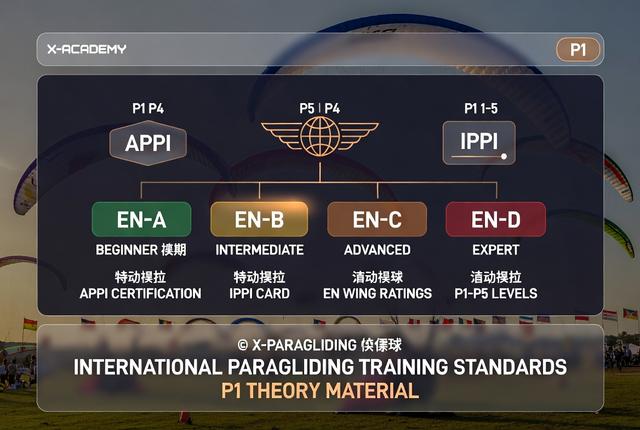
P1 - International paragliding standards
International paragliding standards ensure that pilots receive uniform, high-quality, and safe education anywhere in the world. Our platform provides a general overview of these standards, divided into several key aspects. Our theoretical courses and practical training sessions are strictly based on these international guidelines.
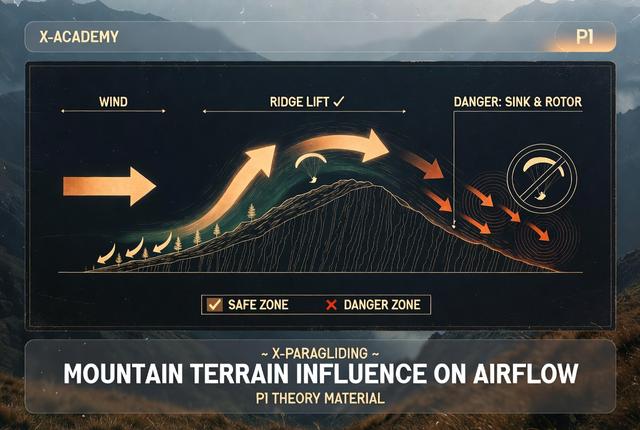
P1 - Mountain Terrain Analysis
Analyzing the flying site terrain and landing/takeoff areas is the foundation of safety in paragliding. A pilot must be able to "read" the environment to determine airflow patterns and identify potential hazards.
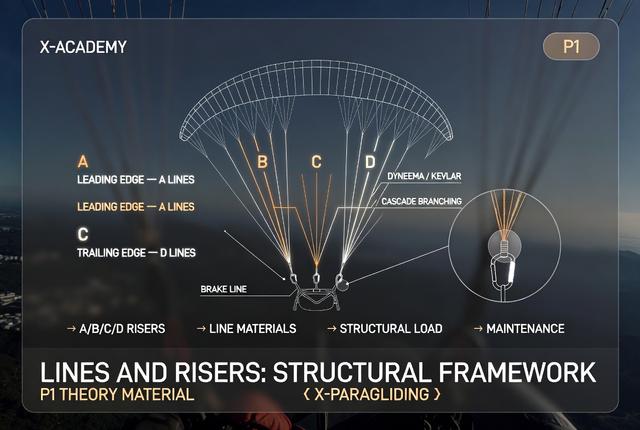
P1 - Paraglider Lines: Importance, Materials, and Maintenance
Paraglider lines constitute the structural framework that connects the canopy to the pilot's harness. Their proper selection and maintenance are crucial for preserving the wing's aerodynamic shape and ensuring flight safety.
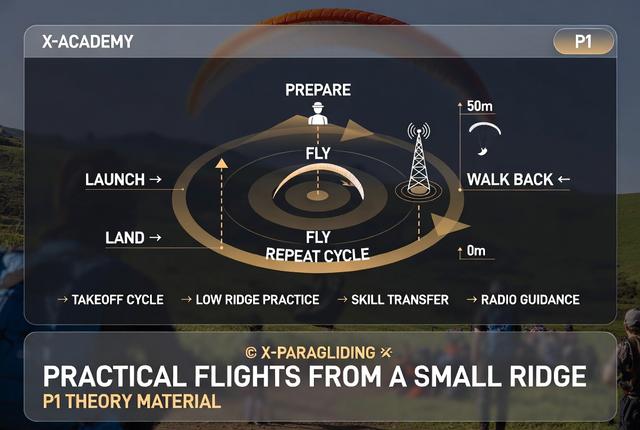
P1 - Practical training on a low mountain ridge
Practical training from a low mountain ridge is one of the most vital stages of paragliding education. This is where skills learned during ground handling are transitioned to actual altitude. A low ridge allows for high-repetition cycles of takeoffs and landings, which is essential for building confidence.
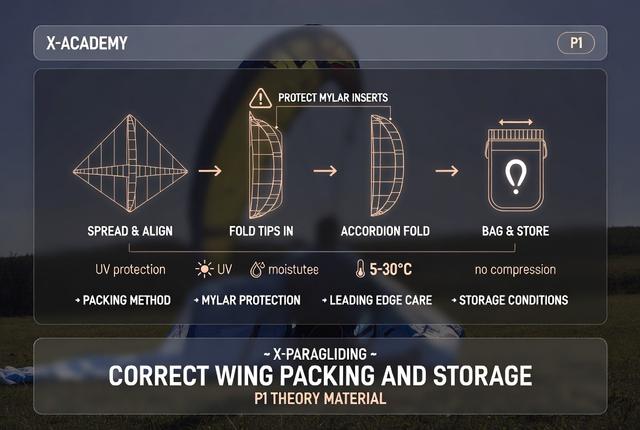
P1 - Properly folding and storing of paraglider i
Properly folding and storing your paraglider is directly linked to the longevity of your wing. Incorrect folding can damage the Rigid Foils (Nylon rods) that give the leading edge its aerodynamic shape.
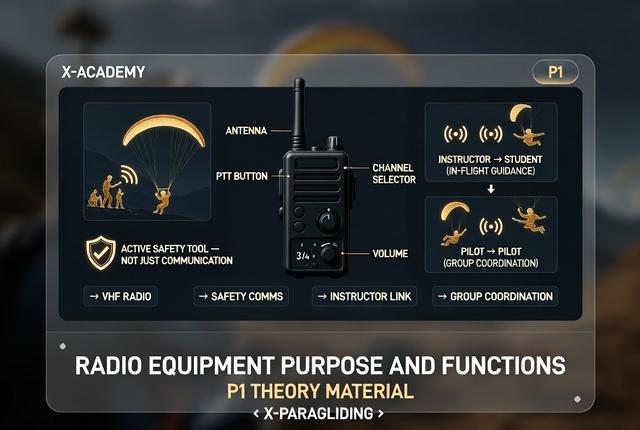
P1 - radio station (transceiver)
In paragliding, a radio station (transceiver) is not just a communication tool—it is an integral part of active safety. Its proper use is often decisive in preventing incidents, especially during the training process and group flights.
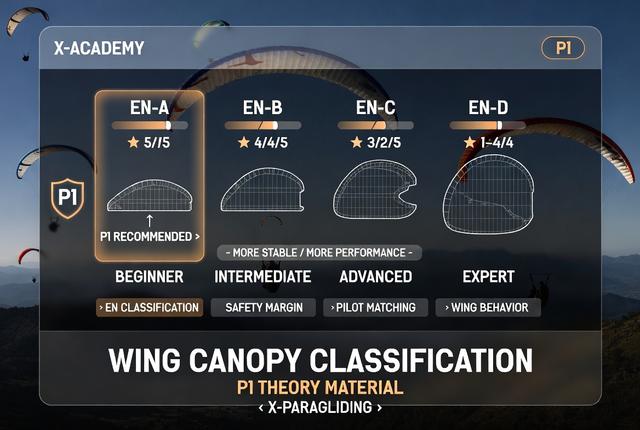
P1 - Solo Paraglider Canopy: Classification and Packing Methods
The canopy (wing) is the most critical component of a paragliding system. Its selection must correspond to the pilot's qualification level, as it determines both flight safety and dynamics.
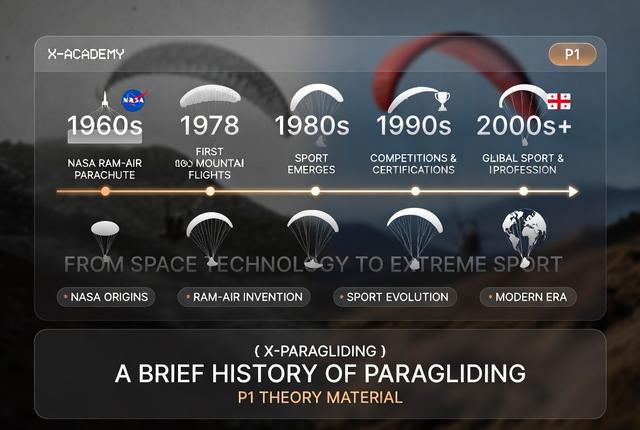
P1 - The historical journey of paragliding
The historical journey of paragliding's development is a fascinating path that began with space technology and evolved into a modern extreme sport, eventually becoming a professional adventure activity.
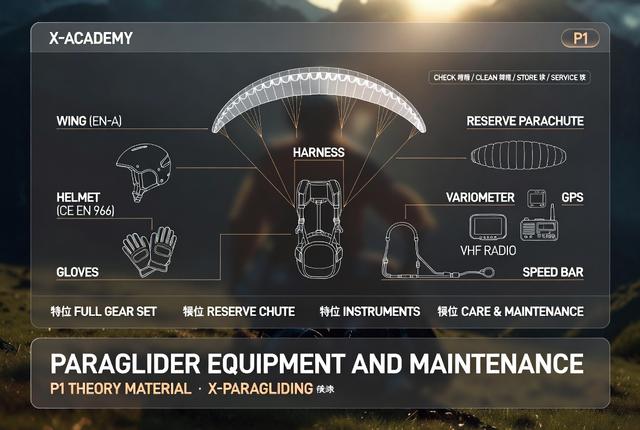
Paraglider Equipment and Maintenance
Wing, harness, reserve, helmet, instruments — complete overview and maintenance tips.
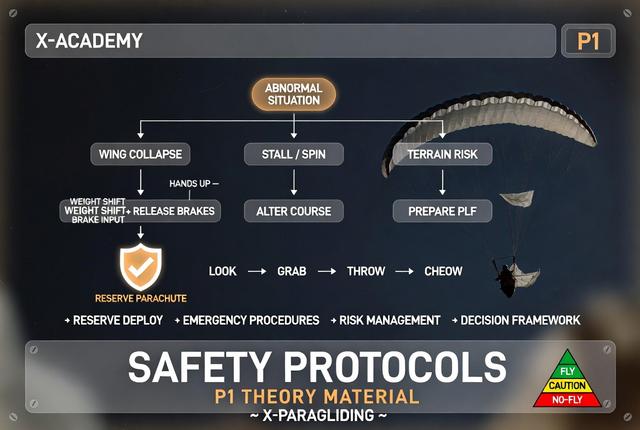
Safety Protocols
Pre-flight check, reserve parachute, emergency procedures and risk management in paragliding.
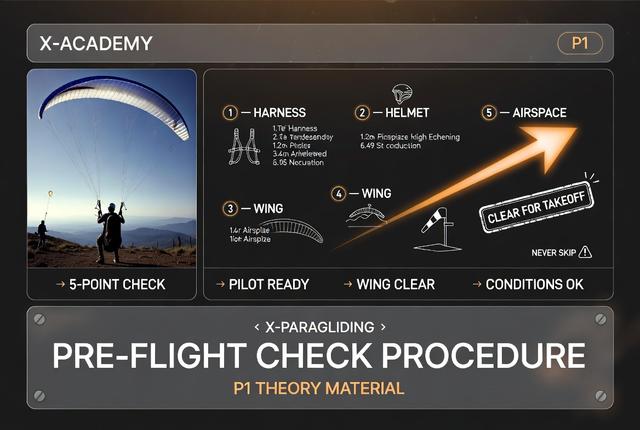
The Pre-flight Check in paragliding
The Pre-flight Check is the most critical moment in paragliding. Statistically, the majority of incidents occur due to small details that were not verified before takeoff. In international practice, a 5-point check system is established, which every pilot must perform before launching:
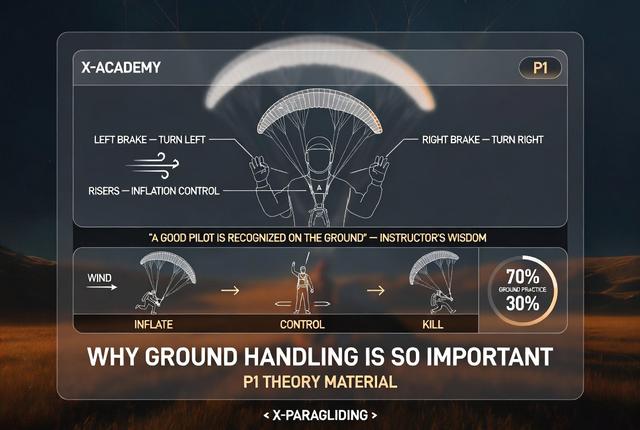
Why is Ground Handling Important
In paragliding, ground training—internationally known as Ground Handling or Kiting—is of decisive importance. Experienced pilots often say, "A good pilot is revealed on the ground." The more confidently you manage the wing on the ground, the safer and smoother your takeoff and flight will be.