Full training program from P1 to P5 with certified instructors. Courses based on SafePro Para standards at the best flying locations in Georgia.

Xacademy
Solo Paragliding Training Courses
Full training program from P1 to P5 with certified instructors. Courses based on SafePro Para standards at the best flying locations in Georgia.
5 coursesExplore courses
Xacademy
Courses
Choose a course and explore its learning program.

P1 – Beginner
P1 – Beginner This is the introductory stage where the student learns the basics and takes their first steps. What it includes: Equipment familiarization, ground handling (kiting), launching from low-incline slopes, and straight-line flights. Goal: For the pilot to understand how the wing responds to control toggles. At this stage, flights are very short and at low altitudes.

P2 – Novice
P2 – Novice This is the most important training stage. After completing this level, a pilot is allowed to fly independently at simple sites. What it includes: Different launch techniques (forward and reverse launches), turns in the air, approach planning, and landing on a predefined target. Theory: Basics of meteorology, flight priorities (right-of-way rules), and safety.

P3 – Intermediate
At this level, the pilot is experienced and begins flying in more challenging conditions. What it includes: Finding and "coring" thermals (warm air currents) to gain altitude, and flying in moderate turbulence. Requirements: Typically requires a minimum of 30 to 60 independent flights at various locations.
P4 – Advanced
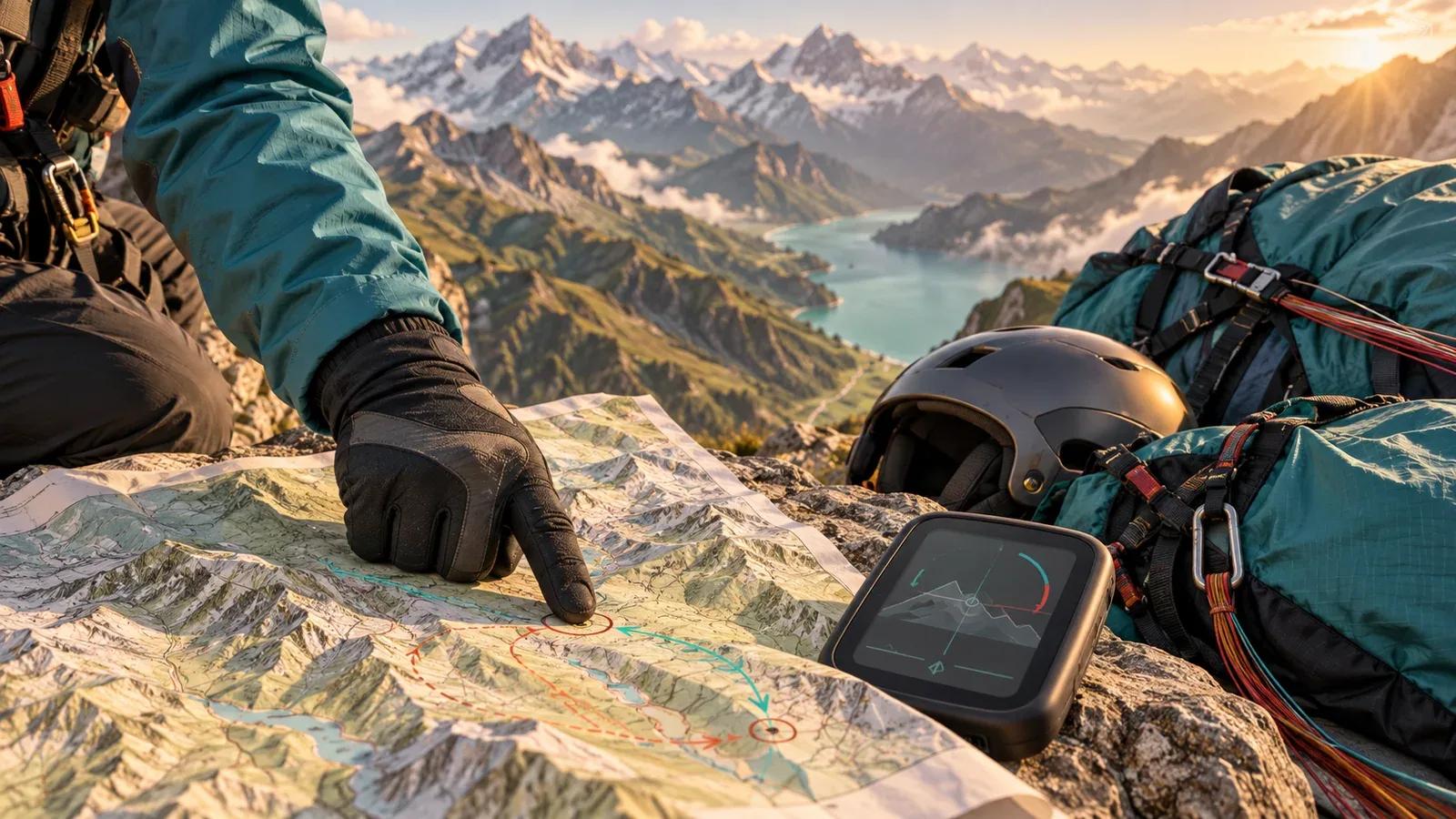
P4 – Advanced This represents a high-level pilot capable of flying in complex terrain and diverse conditions. What it includes: XC (Cross-Country) flights—covering long distances from one point to another—and in-depth analysis of complex meteorological forecasts. Requirements: A minimum of 250 flights and significant airtime (often 100+hours).

P5 – Master
P5 – Master This level is awarded to pilots with years of experience and exceptional skills. What it includes: Expert knowledge in all types of launches, flight techniques, and safety procedures. This level is often a prerequisite for those aspiring to become instructors. Goal: To serve as a role model and mentor for other pilots.
Xacademy
Guide
Xacademy
Frequently asked questions
What are the requirements to enroll in the P1 course?
No prior experience is required for P1. You need to be at least 16 years old, have average physical fitness, and no serious health conditions. All equipment is provided as part of the course fee.
How many days does each level course take?
P1 typically takes 5–7 days, P2 takes 7–14 days. From P3 to P5, the duration is individual as it depends on your flight count and experience. Weather can also create pauses between flying days.
Can I really fly independently after completing P2?
Yes, P2 is the level that qualifies you to fly independently at sites rated as "easy." This means stable weather conditions, wide landing areas, and uncomplicated terrain. For more challenging conditions, P3 and above is necessary.
Do I need my own equipment or is it provided?
All equipment (wing, harness, helmet, reserve, radio) is provided for P1 and P2 courses. From P3 onward, purchasing your own gear is recommended, though rental is also available. Instructors will help you choose the right equipment.
How safe is learning solo paragliding?
Safety is our absolute priority. All courses follow SafePro Para standards under certified instructor supervision. Students use certified EN/LTF equipment including reserve parachutes. Flying only occurs in safe meteorological conditions.
What is an APPI or IPPI Card and how do I get one?
APPI (Association of Paragliding Pilots and Instructors) is an international independent organization that establishes paragliding training standards. It defines the curriculum—specifying what a pilot must know theoretically (meteorology, aerodynamics) and what they must be able to perform practically at each level. Holding an APPI certificate means you have received training that is recognized worldwide for its high quality. The IPPI Card (International Pilot Proficiency Information) is an internationally recognized pilot document endorsed by the FAI, which confirms your qualification level (P1-P5, T1) globally. Upon successful completion of the course, Xacademy will assist you with the application process.
Where do the training flights take place?
Training flights take place at Georgia's best flying locations, including Gudauri (at 2,200 m elevation with stable thermals), the Kazbegi region, and sites near Tbilisi. Location selection depends on weather conditions and course level.
Can I progress from P1 to P2 in a single course?
Yes, many students enroll in a combined P1+P2 course, which typically takes 10–14 days. This is the most popular format since completing P2 grants you independent flying privileges. Weather conditions may affect the total duration.
Keep learning
Explore the courses in this area or browse all Academy categories.