

Tandem pilot certification program according to FAI and APPI standards. Recreational and Professional categories with certified instructors.
Xacademy
Tandem Paragliding Training Courses
Tandem pilot certification program according to FAI and APPI standards. Recreational and Professional categories with certified instructors.
2 coursesExplore courses
Xacademy
Courses
Choose a course and explore its learning program.
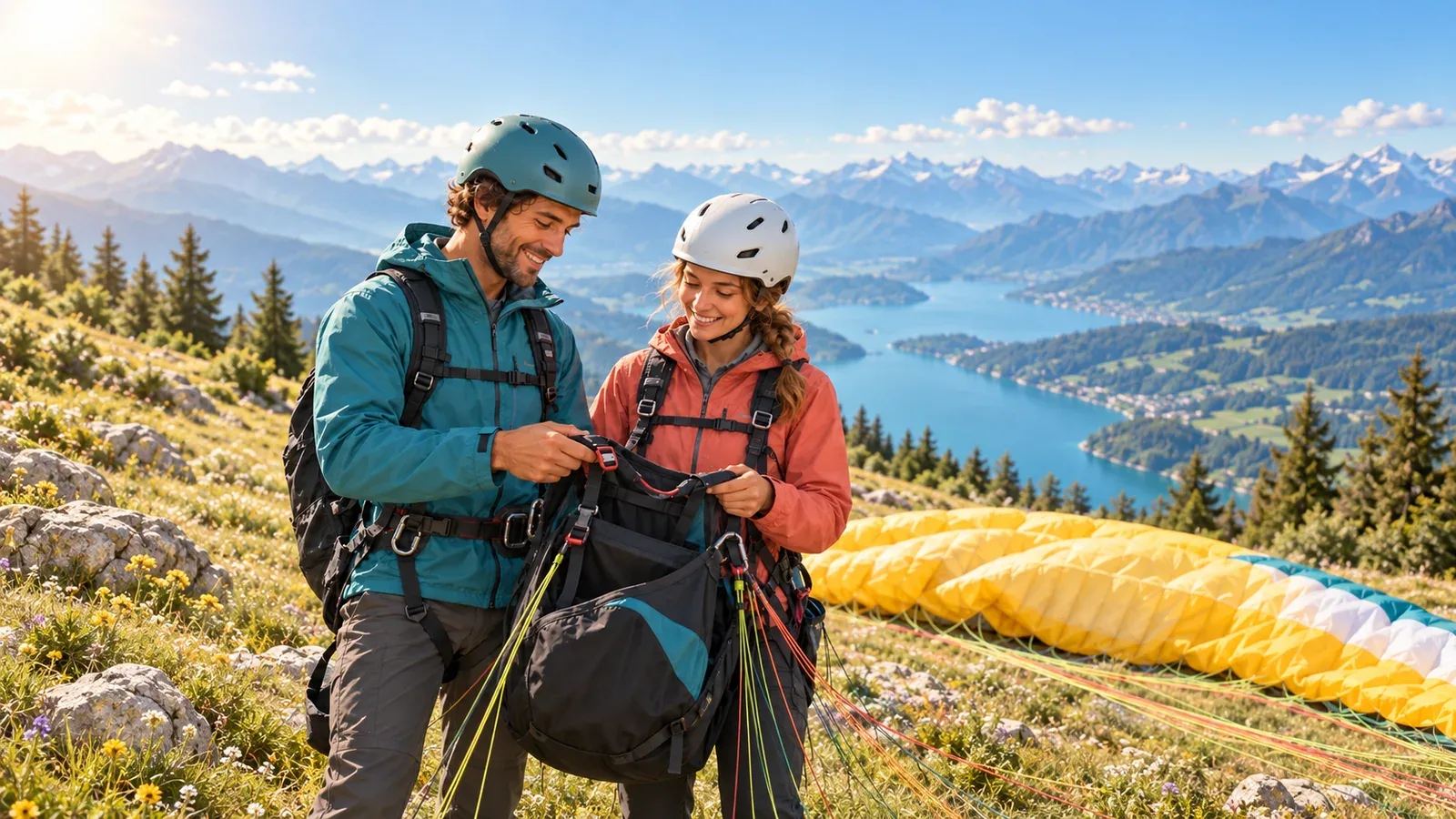
T1 - Tandem Recreational Pilot Course
This course is designed for experienced pilots who wish to perform non-commercial flights (such as flying with friends or family members). Prerequisites: A minimum of a P4 (Advanced) level license and flight hours (typically 100-200 hours). Training Focus: Specifics of tandem paragliding equipment. Passenger communication and pre-flight briefing. Launch and landing techniques under dual-load (increased weight) conditions. Restriction: The pilot is not authorized to accept monetary compensation for flights.
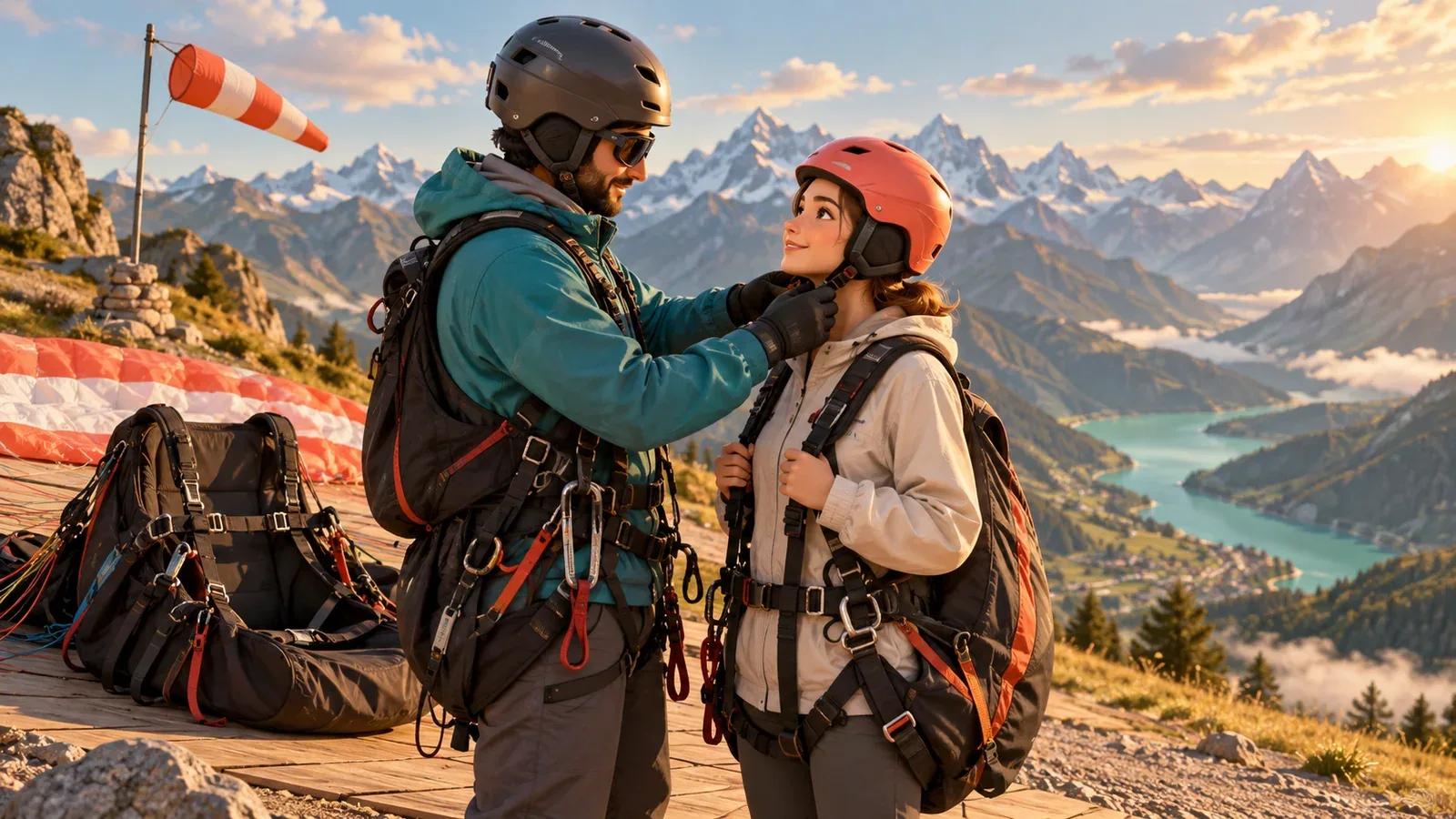
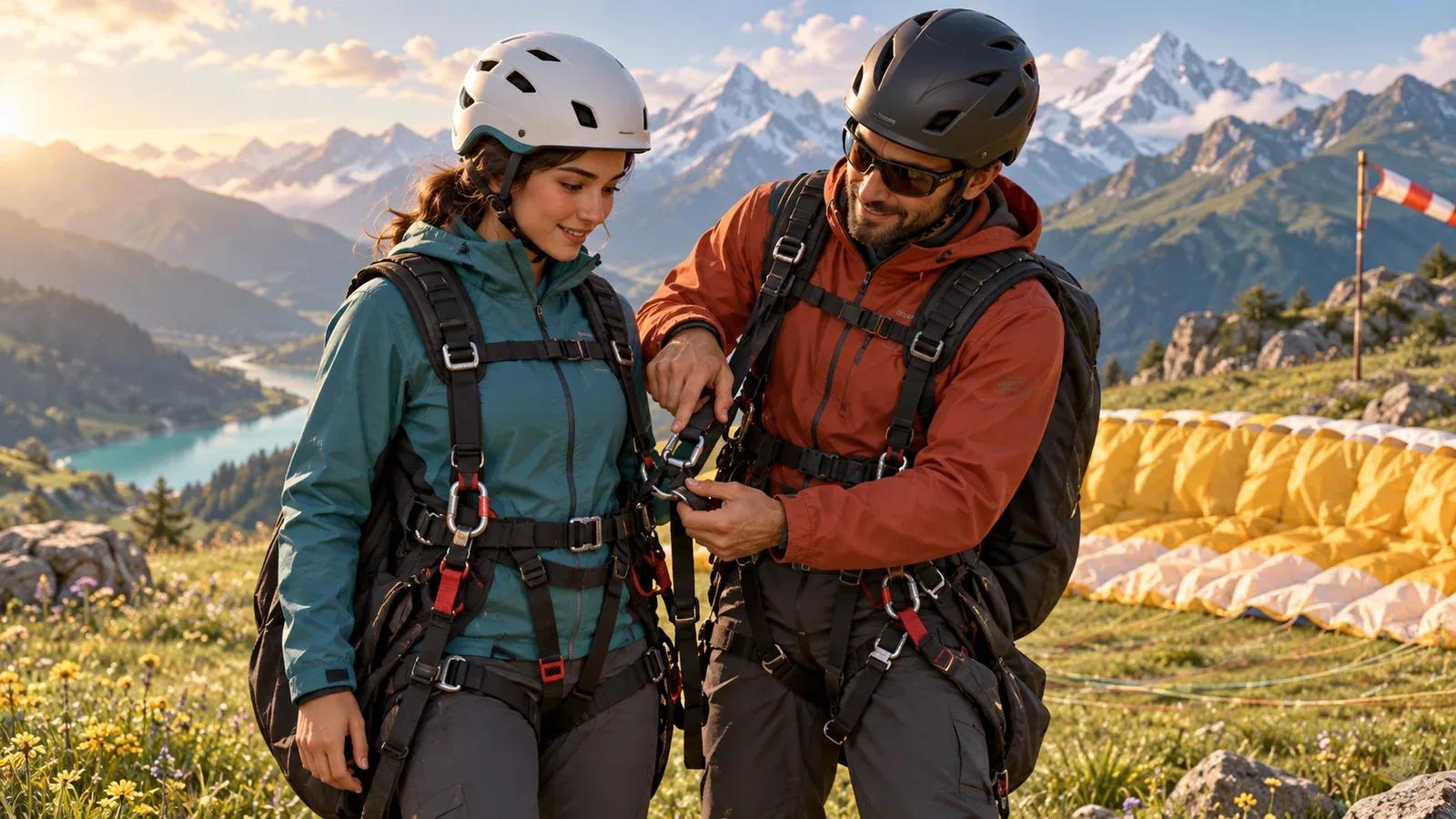
T2 - Tandem Commercial Pilot Retraining Course
Commercial Tandem Pilot Training Course This is a professional-level certification that authorizes the pilot to operate within the tourism sector and conduct paid commercial flights. Prerequisites: Solo P4 level certificate or an equivalent sports license. Completion of an SIV course (Simulation of flight incidents and extreme maneuver management). A valid First Aid certificate. Course Content: Psychology: Techniques for managing "fearful" or anxious passengers. Risk Management: Critical decision-making in challenging meteorological conditions. Business Ethics and Law: Insurance protocols, certification standards, and professional liability. Examination: The final assessment consists of both a theoretical test and a practical exam (check-rides conducted with an instructor).
Xacademy
Guide
Xacademy
Frequently asked questions
What pilot level is required to start a tandem course?
Recreational category requires minimum P3 and 100 solo flights. Professional category requires minimum P4, 200 solo flights, 50+ hours of airtime, and a completed SIV course. In both cases, the instructor will assess your readiness before the course begins.
What is the difference between recreational and professional categories?
A recreational tandem certificate allows you to fly with friends or family for non-commercial purposes. A professional certificate allows you to conduct paid passenger flights — making tandem piloting your profession.
How long does the tandem course take?
Recreational category typically takes 5–7 days. Professional category runs 10–14 days as it includes additional theory, client management, legal aspects, and examination flights. Duration may vary due to weather in both cases.
Is tandem equipment provided or do I need my own?
During the course, tandem equipment (wing, tandem harness, passenger harness, reserve) is provided by Xacademy. You need to bring your own helmet. For professional operations, purchasing your own tandem equipment will eventually be necessary.
What certification will I receive?
Upon successful completion, you receive an APPI Tandem Pilot or SafePro Para Tandem certificate, depending on the category. These certificates are internationally recognized and authorize tandem flights in participating countries.
Is a first-aid certificate mandatory?
For the professional category — yes, a first-aid certificate is mandatory. For the recreational category, it is recommended but not required. Xacademy periodically organizes first-aid training sessions for pilots.
Can I make tandem piloting my profession?
Absolutely. With a professional tandem certificate, you can work for tour companies, start your own business, or be a seasonal pilot at popular flying destinations. Tandem tourism in Georgia is a growing sector, especially in Gudauri.
Do I need to complete SIV before the tandem course?
For the professional category, SIV is a mandatory prerequisite. For recreational, it is strongly recommended . SIV experience significantly improves your safety during tandem flights, as you are responsible for two people in an incident.
Keep learning
Explore the courses in this area or browse all Academy categories.