Sports training in paragliding - Performance/XC training for long-distance flights and acrobatics for aerobatics. For P3+ pilots after completing the SIV course.
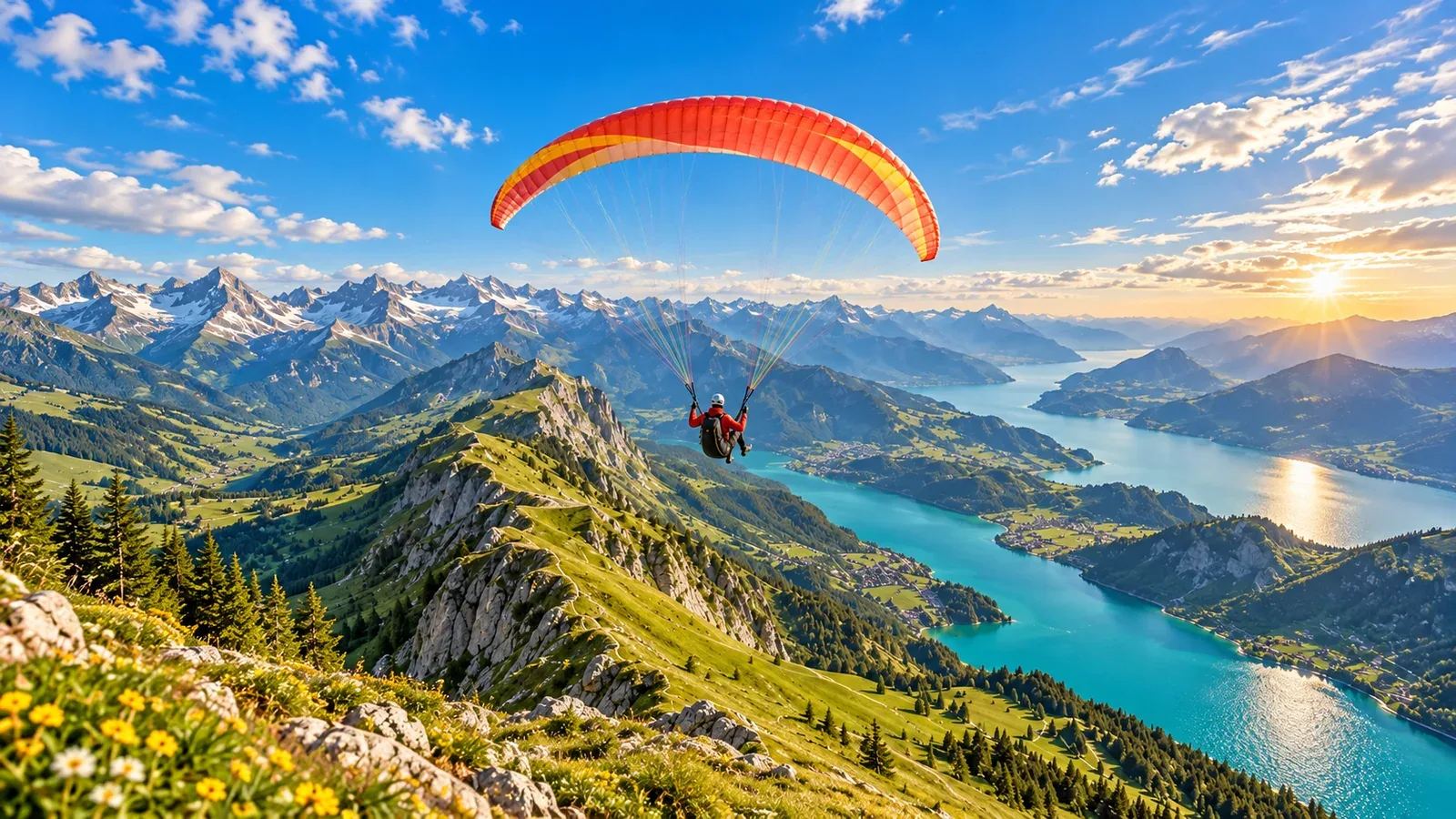
Xacademy
Sports Training Courses (XC and ACRO)
Advanced paragliding training: Performance/XC for cross-country flights and acro for advanced manoeuvres. For P3+ pilots who have completed an SIV course.
2 coursesExplore courses
Xacademy
Courses
Choose a course and explore its learning program.
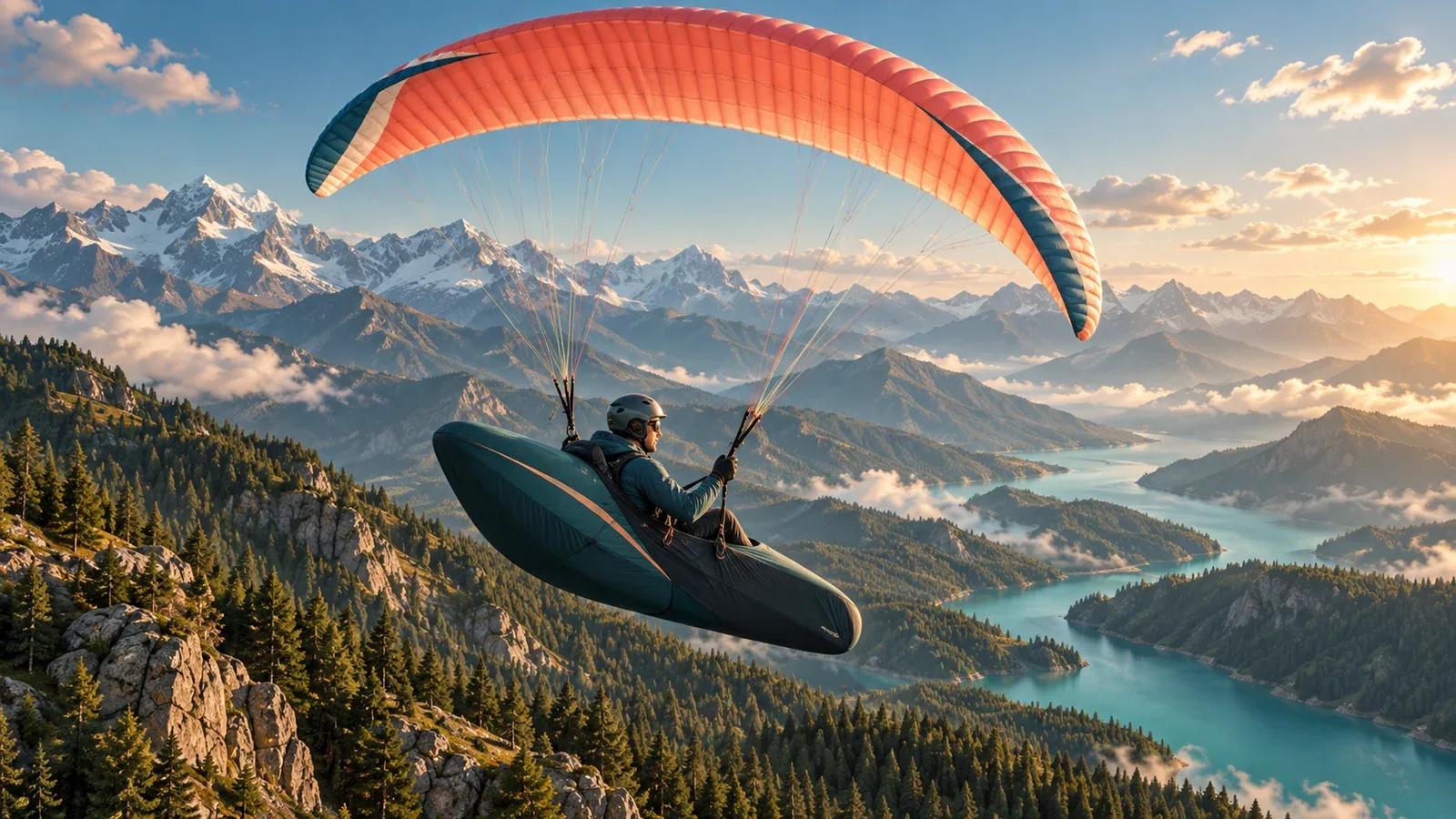
XC - Sports Progression Courses (Performance/XC Training/Cross-Country - XC)
This course is designed for those who wish to fly long distances (Cross-Country - XC) and participate in competitions. Key Stages: Thermal Flying: Learning how to locate rising air currents, how to "center" within them, and how to reach maximum altitude effectively. Route Planning: In-depth study of meteorology — reading clouds, calculating wind drift, and constantly searching for "escape" options. Using the Accelerator: Learning how to fly fast and safely in turbulent air using the accelerator (Speed Bar). XC Flights: Completing your first 20, 50, or 100 km routes under the guidance of an instructor (via radio communication).

ACRO - Sports Maneuver Training: Acro Courses
Acro paragliding is the "high aerobatics" of flight. It is the most spectacular and, at the same time, the most high-risk discipline in the sport. Entry into Acro courses is permitted only after the pilot has achieved flawless mastery of SIV course skills. Training Stages (By Maneuvers): A) Intro to Acro: Wingover: The "alphabet" of Acro. Swinging the wing from side to side at an angle of more than 90 degrees. This stage teaches energy management. Spiral Dive: A controlled rapid descent with high G-force loading. Asymmetric Spiral: A spiral where the wing "dives" on every rotation. B) Intermediate Maneuvers: SAT: One of the most famous Acro maneuvers, where the pilot and the wing rotate around different centers (the wing moves forward, while the pilot moves backward). Full Stall: Completely stalling the wing in mid-air and performing a controlled "recovery." Deep Stall / Parachutal: Maintaining the wing in a vertical descent mode. C) Advanced Acro: Helicopter: The wing rotates around its vertical axis like a helicopter propeller. Tumble / Looping: Rotating the wing vertically over and under the pilot (vertical flip). Misty Flip / McTwist: Dynamic maneuvers that require reactions within fractions of a second. 3. Safety in Acro Courses Acro training is never conducted over land. Over Water: All Acro practice is performed over a lake or the sea. Safety Boat: A rescue boat is constantly on standby on the water to recover the pilot. Equipment: Acro pilots use specialized "Acro Harnesses" equipped with two reserve parachutes. Automatic Life Jacket: The pilot wears an inflatable vest that activates upon contact with water. 4. Required Documentation and Prerequisites License: Minimum P4 or P5 level. SIV Certificate: Entry is strictly prohibited unless the pilot has completed at least 2-3 full SIV clinics. Insurance: Specialized sports insurance that specifically covers acrobatic flying.
Xacademy
Guide
Xacademy
Frequently asked questions
What is the difference between XC and Acro courses?
XC (Cross-Country) focuses on long-distance route flying using thermals and competition tactics. Acro focuses on aerobatic maneuvers — wingovers, SAT, tumbling, and more. Both require prior SIV course completion as a prerequisite.
What are the prerequisites for the XC course?
XC course requires minimum P3 (Advanced) rating, 80–100 solo flight experience, a successfully completed SIV course, and an EN-B or EN-C class wing. Basic navigation knowledge and GPS proficiency are also recommended.
How long do XC and Acro courses last?
XC courses typically last 5–7 days, including theory sessions, simulation exercises, and actual XC flights. Acro courses run 5–10 days depending on intensity and pilot level, often conducted over water for safety.
What equipment is needed for sports courses?
For XC: EN-B/EN-C wing, variometer, GPS tracker, reserve parachute, and radio. For Acro: specialized acro wing (EN-D/CCC or acro-specific), acro harness, back protector, reserve parachute, and flotation equipment (for over-water training).
How dangerous is acro paragliding?
Acro paragliding is the highest-risk discipline in the sport. However, with professional instruction, thorough SIV foundation, and over-water training conditions, risk is significantly reduced. Each maneuver is learned progressively — from less intense to complex.
What certifications do you get after XC or Acro courses?
After XC completion, you earn P4 (Star Pilot) status in the APPI system — official recognition for competitive flying. After Acro — a specialized Acro Rating. Under the SafePro Para framework, competition licensing is available for both disciplines.
Can I take XC and Acro courses in the same program?
These are two entirely different disciplines and are usually studied separately. However, experienced pilots can take both sequentially — XC first, then Acro. At Xacademy, custom programs can be tailored to each pilot's goals.
Where are XC and Acro training sessions held?
XC training takes place in mountainous areas with favorable thermal conditions — Gudauri, Kazbegi, and other locations. Acro training is mostly conducted over water (lake surface) for safety purposes. Exact locations depend on the season and weather conditions.
Keep learning
Explore the courses in this area or browse all Academy categories.